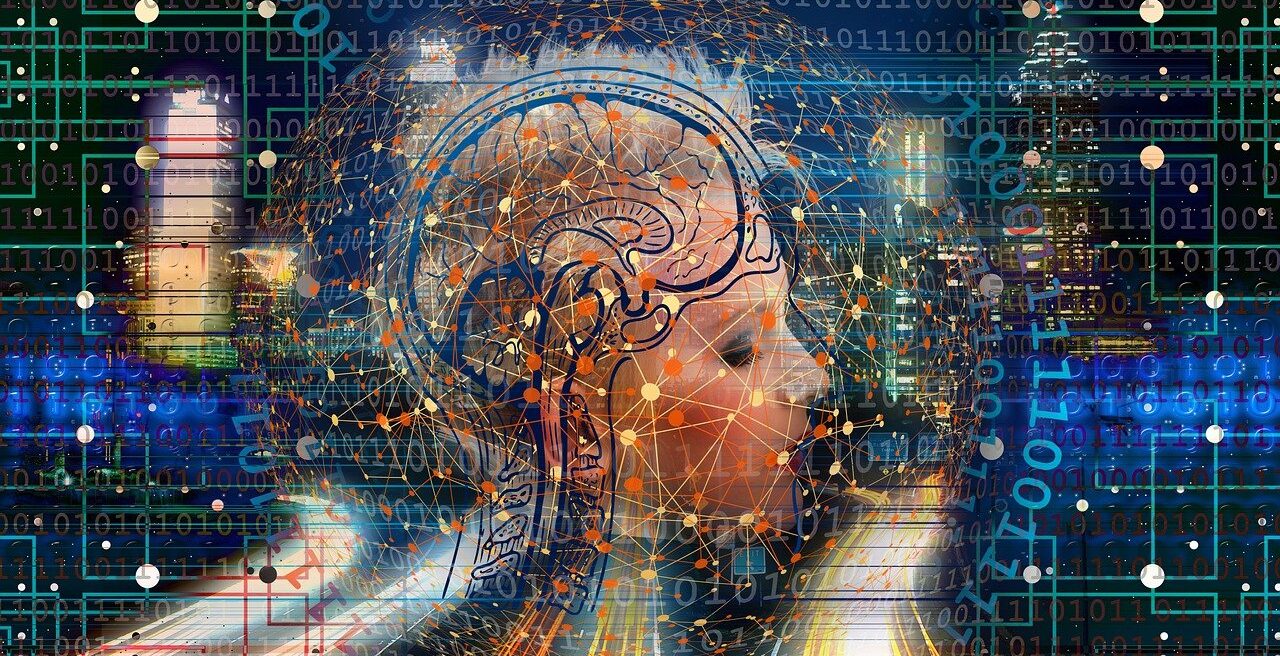
Unlocking the Magic: How Machine Learning is Transforming Everyday Life
In the blink of an eye, machine learning has woven itself into the fabric of our daily routines, often without us even realizing it. From the moment we wake up to the time we fall asleep, algorithms quietly work behind the scenes to simplify tasks, enhance experiences, and even predict our needs before we do. This transformative technology, a subset of artificial intelligence, enables systems to learn from data, identify patterns, and make decisions with minimal human intervention. As machine learning continues to evolve, its impact on everyday life becomes more profound and far-reaching than ever before.
The Rise of Smart Assistants and Voice-Activated Devices
One of the most visible ways machine learning has entered our lives is through smart assistants like Siri, Alexa, and Google Assistant. These voice-activated tools rely on natural language processing (NLP) and machine learning to understand spoken commands, answer questions, and even engage in casual conversation. Over time, they adapt to individual speech patterns, preferences, and accents, becoming more accurate and personalized.
Beyond simple tasks like setting reminders or playing music, these assistants now integrate with smart home devices to control lighting, thermostats, and security systems. Machine learning algorithms analyze usage patterns to optimize energy consumption, ensuring homes run efficiently while reducing costs. The result is a seamless, intuitive interaction that feels almost magical—a testament to how far AI has come.
Personalized Recommendations: The Invisible Curator
Have you ever wondered how streaming platforms like Netflix or Spotify seem to know exactly what you want to watch or listen to next? The answer lies in machine learning-powered recommendation engines. These systems analyze vast amounts of user data, including viewing history, ratings, and even the time spent on certain content, to curate personalized suggestions.
- Netflix: Uses collaborative filtering and deep learning to predict which shows or movies a user might enjoy, keeping them engaged and reducing churn.
- Spotify: Leverages algorithms to create personalized playlists like “Discover Weekly,” introducing users to new music based on their listening habits.
- Amazon: Employs recommendation systems to suggest products, often leading to impulse purchases and increased customer satisfaction.
These personalized experiences not only save time but also create a sense of connection with the technology, making it feel tailored to each individual’s tastes and preferences.
Revolutionizing Healthcare with Predictive Analytics
Machine learning is also making significant strides in healthcare, transforming how we diagnose, treat, and even predict diseases. By analyzing medical records, imaging data, and genetic information, algorithms can identify patterns that might escape human notice. Here are some key applications:
- Early Disease Detection: Machine learning models trained on medical images can detect early signs of cancer, diabetic retinopathy, or neurological disorders with remarkable accuracy.
- Personalized Treatment Plans: Algorithms analyze a patient’s genetic makeup and medical history to recommend tailored treatment options, improving outcomes and reducing side effects.
- Drug Discovery: AI accelerates the drug development process by predicting how different compounds will interact with biological targets, significantly cutting down research time.
- Predictive Analytics: Hospitals use machine learning to forecast patient readmissions, optimize staffing levels, and even predict outbreaks of infectious diseases.
The integration of machine learning in healthcare is not just about efficiency—it’s about saving lives and improving the quality of care for millions of people worldwide.
Transforming Transportation and Mobility
The way we move from one place to another is undergoing a silent revolution, thanks to machine learning. Autonomous vehicles, ride-sharing services, and traffic management systems are all leveraging AI to make transportation safer, faster, and more sustainable.
Companies like Tesla, Waymo, and Uber use machine learning to process data from sensors, cameras, and GPS to navigate roads, avoid obstacles, and make real-time decisions. These systems continuously learn from real-world driving scenarios, improving their performance over time. For instance, Tesla’s Autopilot feature uses deep learning to recognize road signs, pedestrians, and other vehicles, reducing the risk of accidents.
Beyond autonomous driving, machine learning optimizes public transportation by predicting demand, adjusting schedules, and even rerouting buses or trains to reduce congestion. In urban areas, AI-powered traffic management systems analyze traffic flow and adjust signal timings dynamically to minimize delays and emissions.
Enhancing Financial Services and Fraud Detection
Banks, fintech companies, and investment firms are harnessing the power of machine learning to streamline operations, personalize services, and combat fraud. Here’s how:
- Credit Scoring: Traditional credit scoring models rely on limited data, but machine learning algorithms analyze a broader range of factors, including social media activity and utility payments, to assess creditworthiness more accurately.
- Fraud Detection: Financial institutions use AI to monitor transactions in real time, flagging suspicious activities by detecting anomalies or patterns indicative of fraud. This proactive approach helps prevent losses and protect customers.
- Algorithmic Trading: Investment firms leverage machine learning to analyze market trends, predict stock movements, and execute trades at speeds impossible for humans, maximizing returns.
- Personalized Banking: Chatbots and virtual assistants powered by AI provide 24/7 customer support, answer queries, and offer financial advice tailored to individual needs.
The financial sector’s adoption of machine learning not only enhances security and efficiency but also democratizes access to financial services, making them more inclusive and user-friendly.
The Future: Ethical Considerations and Beyond
While the benefits of machine learning are undeniable, its rapid integration into daily life also raises important ethical questions. Issues such as data privacy, algorithmic bias, and job displacement must be addressed to ensure that AI serves as a force for good. For instance:
- Data Privacy: The vast amounts of data collected by AI systems require robust security measures to prevent breaches and misuse. Regulations like GDPR aim to protect user privacy, but challenges remain as technology advances.
- Algorithmic Bias: Machine learning models can inadvertently perpetuate biases present in training data, leading to unfair outcomes in areas like hiring, lending, and law enforcement. Ongoing efforts to audit and correct these biases are crucial.
- Job Displacement: Automation powered by AI may disrupt certain industries, leading to job losses. However, it also creates new opportunities in fields like AI ethics, data science, and robotics maintenance, requiring a shift in workforce skills.
As we look to the future, collaboration between technologists, policymakers, and society will be essential to harnessing machine learning’s potential while mitigating its risks. The goal is to create an ecosystem where AI enhances human capabilities, fosters inclusivity, and drives sustainable progress.
Conclusion: A World Transformed by Intelligence
Machine learning is no longer a futuristic concept confined to laboratories or sci-fi movies—it is here, reshaping the way we live, work, and interact with the world. From the subtle convenience of personalized recommendations to the life-saving potential of early disease detection, AI is unlocking magic in the most unexpected places. As the technology continues to advance, its influence will only grow, offering new possibilities and challenges alike.
The key to maximizing its benefits lies in responsible innovation, ethical considerations, and a commitment to using AI for the greater good. By embracing this transformation with awareness and intention, we can all become part of a smarter, more connected, and more magical world—one algorithm at a time.