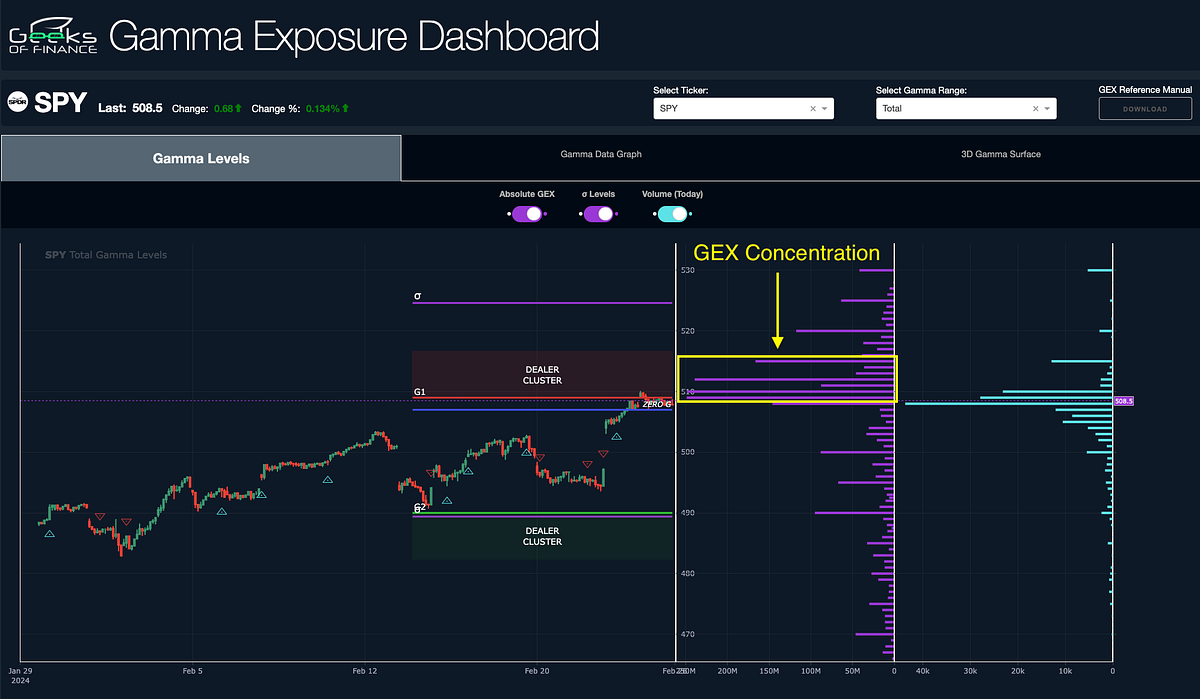
Options trading offers UK investors a powerful toolkit for managing risk, expressing directional views, and capitalising on volatility dynamics. However, achieving consistent outcomes requires more than buying calls or puts. Advanced options strategies—rooted in the Greek sensitivities and complex spread structures—allow traders to engineer positions that are responsive, adaptive, and tailored to specific market conditions.
This article explores the engineering of options strategies for UK traders, focusing on gamma scalping, vega targeting, and sophisticated spread construction. By understanding these techniques, investors can improve portfolio efficiency, control exposure, and harness opportunities across equities, indices, and FX derivatives.
Understanding the Core Greeks: Gamma and Vega
Options pricing is influenced by several sensitivities, known collectively as the Greeks. Among these, gamma and vega are particularly relevant for traders seeking to manage dynamic risk:
- Gamma: Measures the rate of change of delta with respect to the underlying asset price. A high gamma position responds more aggressively to price moves, offering opportunities for short-term adjustment or hedging.
- Vega: Reflects the sensitivity of an option’s price to changes in implied volatility. Positions with significant vega exposure gain when volatility rises and lose when it falls, making vega central to trading around expected market events.
Effective options strategy engineering requires a clear understanding of these sensitivities, as well as their interaction with delta, theta, and rho. Ignoring them can expose traders to unintended risks or dilute intended performance.
Gamma Scalping: Capturing Price Movement While Managing Risk
Gamma scalping is an advanced technique designed to exploit movements in the underlying asset while maintaining a delta-neutral posture. By continuously adjusting the hedge as the underlying moves, traders can capture profits from both upward and downward price swings.
For UK traders, gamma scalping can be particularly effective in highly liquid equity or index options markets where price movements are frequent and spreads are tight. Key considerations include:
- Hedge Adjustments: Regularly rebalancing delta through purchases or sales of the underlying ensures neutrality.
- Transaction Costs: Frequent trading can erode returns; efficient execution is critical.
- Volatility Conditions: Gamma scalping is most profitable in environments with moderate to high volatility, where the underlying moves sufficiently to generate gains.
This strategy allows traders to benefit from short-term price oscillations while keeping directional exposure minimal, making it a useful tool in risk-controlled portfolios.
Vega Targeting: Trading Volatility Directly
Vega-targeted strategies focus on capturing opportunities arising from changes in implied volatility. Unlike gamma scalping, which relies primarily on price movement, vega targeting benefits from volatility expansion or contraction, independent of the underlying direction.
Common approaches include:
- Long Vega Positions: Buying options when expected volatility is likely to rise, such as ahead of economic releases or earnings announcements.
- Short Vega Positions: Selling options when volatility is elevated and expected to decline, potentially profiting from time decay and volatility contraction.
- Volatility Spreads: Combining long and short options across strikes or maturities to isolate vega exposure while controlling other Greeks.
For UK traders, vega-targeted strategies are particularly relevant around Bank of England announcements, macroeconomic releases, or corporate earnings, where implied volatility can fluctuate significantly within short periods.
Complex Spread Construction: Layering Flexibility and Precision
Beyond single options, constructing complex spreads allows traders to fine-tune exposure to multiple risk factors simultaneously. Popular spread structures include:
- Vertical Spreads: Buying and selling options at different strikes to limit risk and reduce net premium.
- Calendar Spreads: Exploiting differences in time decay and volatility between near-term and longer-term options.
- Iron Condors and Butterflies: Combining multiple options to profit from constrained price ranges while managing directional and volatility exposure.
The advantage of complex spreads is precision. Traders can tailor positions to a specific outlook—such as neutral markets with elevated volatility—or hedge against particular risks, such as large swings in implied volatility. Careful attention to margin requirements, liquidity, and execution costs is essential to ensure that theoretical advantages translate into real-world outcomes.
Implementation and Platform Considerations
Executing advanced options strategies requires reliable market access, real-time analytics, and flexible order types. Modern platforms offer tools for pricing, Greek analysis, and risk simulation, supporting both strategic design and tactical execution. Additionally, seamless integration with portfolio management systems ensures that options exposures complement broader investment objectives.
For traders seeking practical insights and tools to design and implement these strategies, it is beneficial to explore platforms that provide advanced options analytics and execution capabilities. Interested investors can follow the weblink to access resources tailored to sophisticated UK options trading.
Conclusion
Options strategy engineering in UK markets is both an art and a science. Techniques such as gamma scalping, vega targeting, and complex spread construction offer powerful ways to manage risk, exploit volatility, and tailor positions to specific market conditions. When underpinned by disciplined monitoring, robust risk management, and thoughtful execution, these strategies allow traders to enhance returns while maintaining control over exposure.
Success in options trading is less about predicting every market move and more about constructing adaptable, resilient positions. By mastering the interplay of Greeks and strategically layering spreads, UK traders can transform options from speculative tools into sophisticated instruments for portfolio optimisation and risk-adjusted performance.